Life After POEM Surgery: Recovery, Diet, and Long-Term Outcomes
Discover what life looks like after POEM surgery — from the first days of recovery to long-term dietary habits and outcomes.
By : Dr. Surakshith T K
POEM (Per-Oral Endoscopic Myotomy) is a minimally invasive procedure that offers lasting relief from achalasia and related swallowing disorders. This guide walks you through what to expect after surgery — from your first sip of water in recovery to resuming a full diet and thriving years later.
Per-Oral Endoscopic Myotomy (POEM) is a breakthrough endoscopic procedure used primarily to treat achalasia — a condition where the lower esophageal sphincter fails to relax, making swallowing painful and difficult. Unlike traditional open surgeries, POEM is performed entirely through the mouth using a flexible endoscope, with no external cuts or visible scars. The tight esophageal muscle is divided from within, restoring normal food passage.
If you or a loved one has been recommended this procedure, consulting the best gastro doctor in South Delhi before surgery ensures you receive a personalised treatment plan and a clearly mapped recovery protocol suited to your health condition.
The First 24–48 Hours After POEM
Immediately following POEM, patients are kept under hospital observation for one to two days. The care team monitors for rare but important complications such as air leaks, minor bleeding, or infection. Most patients are pleasantly surprised by how comfortable the immediate post-operative period feels — a mild sore throat and slight bloating are common but resolve quickly.
Patients remain nil-by-mouth for the first 24 hours. A contrast swallow study is then performed to confirm there are no leaks in the esophageal wall. Once cleared, the dietary progression begins.
The POEM Recovery Diet: Phase by Phase
Diet after POEM is a carefully staged process. Rushing any phase can stress the healing tissue and cause complications. Here is how it typically unfolds:
Phase 1 – Clear Liquids (Day 1–2) Water, clear broths, diluted fruit juices, and electrolyte drinks. Nothing thick or pulpy.
Phase 2 – Full Liquids (Day 3–7) Milk, plain yoghurt, smooth soups, protein shakes, and fruit smoothies without seeds or fibrous chunks.
Phase 4 – Regular Diet (Week 4 Onwards:) A gradual return to normal meals. Chew thoroughly, eat slowly, and temporarily avoid very dry, dense, or sticky foods until comfort is fully established.
Throughout all phases, small and frequent meals are far better than large ones. Always eat in an upright position and remain seated for at least 30 minutes after eating to reduce reflux risk.
Managing Post-POEM Reflux
One of the most commonly discussed concerns after POEM is gastroesophageal reflux disease (GERD). Since the procedure relaxes the lower esophageal sphincter, the natural barrier against stomach acid travelling upward is also reduced. Research suggests that around 30–40% of patients experience some degree of reflux after POEM, though the vast majority manage it well with lifestyle changes and standard acid-suppressing medications called proton pump inhibitors (PPIs).
Patients who remain under regular specialist care report far better long-term reflux control. If you are in the capital region, regular follow-up with the best gastroenterologist in South Delhi means your reflux is tracked with endoscopy and pH studies, and treated before it becomes a persistent problem.
Activity and Lifestyle After POEM
Most patients can return to desk-based or light work within a week of being discharged. Short, gentle walks can begin as early as day three and are actually encouraged to support digestion and circulation. However, strenuous exercise, heavy lifting, and contact sports must be avoided for at least four to six weeks while the internal healing completes.
Hydration deserves special attention. Sipping fluids consistently throughout the day is important. Carbonated drinks, alcohol, and very spicy foods should be limited for the first month and reintroduced gradually based on how your body responds.
Long-Term Outcomes: What the Data Shows
The long-term results of POEM are highly encouraging. Clinical studies consistently report success rates — defined as meaningful and sustained improvement in swallowing — of over 90% at five years post-procedure. Patients describe a dramatic improvement in quality of life, including the ability to eat socially, maintain a healthy weight, and participate fully in daily activities that achalasia had previously restricted.
Key long-term outcomes include:
Over 90% of patients report sustained swallowing relief at five years
Reflux, when it occurs, is controlled with standard medication in most cases
Re-intervention rates are lower compared to traditional Heller myotomy surgery
Nutritional health improves significantly within three to six months
Most patients return to a fully unrestricted diet within four to six weeks
Patients treated by experienced endoscopists, such as the best gastro doctor in South Delhi, consistently show smoother recoveries and better sustained outcomes because of the combination of surgical precision and structured post-operative care.
Follow-Up Schedule: Don't Skip Your Check-Ins
Post-POEM follow-up is not optional — it is a core part of the treatment. A standard follow-up schedule includes a clinical review at two weeks, three months, and twelve months after the procedure. Upper GI endoscopy is recommended annually to monitor the esophageal lining and confirm no signs of recurrence or esophagitis.
High-resolution manometry or pH impedance testing may also be arranged at the three-month mark to assess how well the esophagus is functioning. Staying committed to these appointments with the best gastroenterologist in South Delhi is one of the most impactful steps you can take for your long-term digestive health after POEM.
Final Word
Life after POEM surgery is, for the overwhelming majority of patients, a genuine return to normal — eating comfortably, sharing meals without anxiety, and living free from the fear of choking or food getting stuck. The recovery requires discipline in the first few weeks, but the reward is years of relief and improved well-being. With the right specialist, a structured dietary plan, and consistent follow-up, POEM is not just a procedure — it is a fresh start for your digestive health.
FAQs
Q1. How long is the recovery after POEM surgery? Most patients recover fully within 2–4 weeks and return to light work within a week.
Q2. What can I eat after POEM surgery? Start with clear liquids, progress to soft foods, and return to a normal diet by week 4.
Q3. Will I get acid reflux after POEM? Some patients experience mild reflux, which is easily managed with medication and lifestyle changes.
Q4. Is POEM a permanent solution? Yes. Over 90% of patients report lasting swallowing relief at five years post-procedure.
Q5. Can I exercise after POEM surgery? Light walking is allowed within 3 days, but strenuous activity should be avoided for 4–6 weeks.
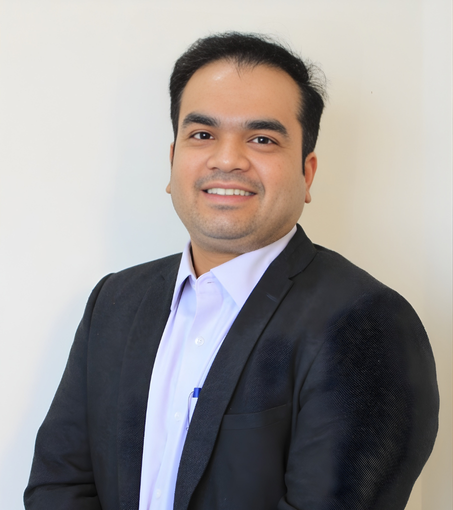
Dr. Surakshith T K
Specialist Gastroenterologist and Hepatologist
Dr. Surakshith T K is a leading gastroenterologist and hepatologist
with 12+ years of experience, specializing in advanced endoscopic procedures including
POEM, ERCP, EUS, ESD/EMR, and bariatric endoscopy. He is known for expert care in GI,
liver, pancreatic, and biliary disorders with a strong focus on early cancer detection.