Post-Endoscopy Diet: What to Eat in the First 48 Hours
Learn what to eat after an endoscopy, foods to avoid, hydration tips, a simple 48-hour meal plan
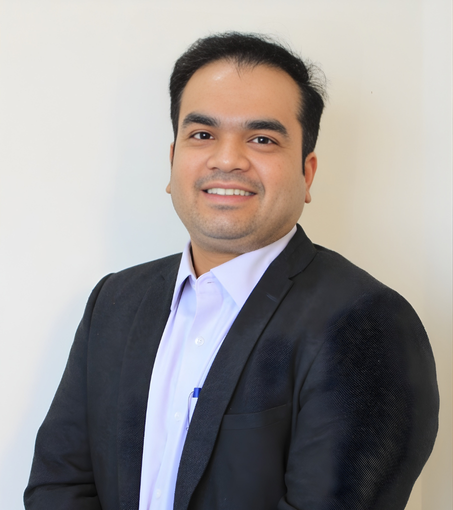
By : Dr. Surakshith T K
Introduction
An endoscopy is a commonly performed procedure used to examine the digestive tract and identify conditions affecting the oesophagus, stomach, and upper gastrointestinal system. While the procedure itself is usually straightforward, what you eat afterward can play an important role in your comfort and recovery.
After an endoscopy, some people experience a mild sore throat, bloating, gas, nausea, or temporary stomach discomfort. These symptoms generally improve with rest and appropriate food choices. Your doctor may also recommend dietary modifications depending on whether a biopsy, polyp removal, dilation, or another therapeutic procedure was performed.
If you are looking for guidance from the best gastro surgeon in South Delhi, remember that your post-endoscopy diet should always be based on the specific procedure you underwent and your doctor's discharge instructions.
When Can You Eat After an Endoscopy?
You should not immediately start eating after an upper endoscopy if your throat is still numb from a local anaesthetic spray. Your healthcare team will tell you when it is safe to begin drinking.
For a routine gastroscopy, patients may often start with small sips of water once the recommended waiting period has passed and then gradually return to food if they feel comfortable. However, procedures involving oesophageal dilation, polyp removal, bleeding treatment, or other interventions can require a liquid or soft-food diet for a longer period.
Therefore, always follow the instructions provided by your endoscopy team rather than following a general diet plan.
First 24 Hours: Focus on Gentle Foods
During the first day, choose foods that are easy to swallow and digest. If your doctor has advised a liquid or soft diet, suitable options may include:
Clear or lightly prepared soups
Plain yoghurt
Custard
Mashed potatoes
Soft rice
Soft porridge, if permitted
Scrambled or soft-cooked eggs
Well-cooked pasta
Smooth, non-spicy foods
Adequate water and other recommended fluids
For some therapeutic procedures, doctors may specifically recommend liquids for the first 24 hours followed by soft foods. For example, after certain upper gastrointestinal procedures, liquidised foods may be advised initially to reduce irritation and support healing.
Start with small portions instead of eating a large meal. Eat slowly and chew thoroughly.
Stay Well Hydrated
Hydration is particularly important after an endoscopy. Start with small sips of water once your doctor says drinking is safe. If you tolerate fluids comfortably, gradually increase your intake.
Depending on your doctor's instructions, you may also have clear soups or other suitable non-irritating fluids. Avoid alcohol, particularly if you received sedation. Sedation can affect judgement and coordination for up to 24 hours, and patients are generally advised not to drink alcohol during this period.
If you have vomiting or cannot keep fluids down, contact your healthcare provider.
Foods to Avoid During the First 48 Hours
Not everyone needs to follow a restricted diet after a routine endoscopy. However, if your throat or stomach feels irritated, choosing lighter foods can be more comfortable.
Depending on your procedure and doctor's advice, consider avoiding:
1. Spicy Foods
Chilli-heavy curries, spicy pickles, hot sauces, and heavily seasoned foods may worsen discomfort or heartburn in some people.
2. Very Hot Foods and Drinks
If your throat has been irritated, extremely hot food or drinks may be uncomfortable. Patients who have undergone certain therapeutic procedures may be specifically advised to avoid very hot drinks temporarily.
3. Fried and High-Fat Foods
Fried snacks, greasy curries, and very fatty meals can feel heavy and may aggravate nausea or indigestion. A lighter diet may be preferable during the initial recovery period.
4. Alcohol
Avoid alcohol for at least the period recommended after sedation. It can compound the effects of sedative medication and impair judgement.
5. Hard or Rough Foods After Therapeutic Procedures
If you underwent oesophageal dilation, mucosal resection, or another procedure that requires healing, foods such as tough meat, crusty bread, biscuits, or other difficult-to-swallow foods may need to be avoided temporarily. Your endoscopy team should provide specific instructions.
What to Eat on Day 2
If you feel well and your doctor has not prescribed a restricted diet, you can generally begin progressing toward your normal meals.
Good choices can include:
Soft-cooked vegetables
Rice or soft khichdi
Plain dal if tolerated
Soft roti or bread when permitted
Eggs
Soft chicken or fish
Yoghurt
Cooked cereals
Bananas or other soft fruits, if tolerated
Lightly prepared meals
Introduce foods gradually. If something causes discomfort, stop eating it and return to simpler foods until you feel better.
For certain procedures, a soft diet may need to continue beyond 48 hours. In some cases, patients may need several days of dietary restrictions.
A Simple 48-Hour Meal Plan
First 24 Hours
Breakfast: Plain yoghurt or another soft food recommended by your doctor.
Mid-morning: Water or another permitted fluid.
Lunch: Smooth soup with soft rice or another doctor-approved soft food.
Evening: Custard or yoghurt.
Dinner: Soft khichdi, mashed potatoes, or another easily digestible meal.
24–48 Hours
Breakfast: Soft porridge or scrambled eggs.
Lunch: Soft rice with a mild preparation of dal or well-cooked vegetables.
Snack: Plain yoghurt or a soft fruit that you tolerate.
Dinner: Soft rice, pasta, khichdi, or lightly prepared chicken/fish if permitted.
This is only a general example. Your diet may need to be different if biopsies were taken, tissue was removed, your oesophagus was dilated, or another therapeutic procedure was performed.
When Should You Contact Your Doctor?
Mild bloating, gas, or a temporary sore throat can occur after gastroscopy. However, certain symptoms require prompt medical attention.
Seek medical advice urgently if you develop severe or worsening abdominal or chest pain, persistent vomiting, fever, difficulty breathing, difficulty swallowing, or vomiting blood. Black or bloody stools can also be a warning sign and should not be ignored.
If you are unsure whether a symptom is normal, contact your endoscopy unit or treating doctor.
Why Individualised Post-Endoscopy Advice Matters
There is no single diet that is suitable for every person after endoscopy. Someone who has undergone a simple diagnostic gastroscopy may be able to resume a normal diet relatively quickly, while someone who has undergone dilation, polyp removal, endoscopic mucosal resection, or another therapeutic procedure may need liquids or soft foods for several days.
Consulting the best gastro surgeon in South Delhi can help you understand what foods are appropriate based on your procedure, symptoms, and digestive health.
Your doctor may also consider existing conditions such as acid reflux, gastritis, ulcers, diabetes, or other gastrointestinal problems when giving dietary recommendations.
Final Thoughts
The first 48 hours after an endoscopy are mainly about staying hydrated, eating comfortably, and allowing your digestive system to settle. Start with fluids and gentle foods when permitted, eat smaller portions, avoid foods that cause discomfort, and gradually return to your regular diet when your doctor allows it.
Most importantly, do not rely solely on general dietary advice. Your specific procedure determines how quickly you can return to normal eating.
If you have concerns about recovery or what to eat after an endoscopy, consulting the best gastro surgeon in South Delhican provide personalised guidance and help you recognise symptoms that require medical attention.
Disclaimer: This article is for general educational purposes and does not replace personalised medical advice. Always follow the dietary and medication instructions provided by your treating doctor or endoscopy team.
Frequently Asked Questions
1. Can I eat immediately after an endoscopy?
Usually, you need to wait until your doctor confirms that it is safe to eat and your throat numbness has resolved.
2. Can I drink water after an endoscopy?
Yes, once your healthcare team says it is safe. Start with small sips and increase gradually.
3. Can I eat spicy food after an endoscopy?
It is generally better to avoid spicy foods initially if your throat or stomach feels irritated.
4. How long should I follow a soft diet?
It depends on the procedure. A routine endoscopy may require little or no dietary restriction, while therapeutic procedures can require a soft diet for several days.
5. When should I see a doctor after an endoscopy?
Seek medical attention for severe pain, persistent vomiting, fever, breathing difficulty, vomiting blood, or significant bleeding.
If you need personalised post-procedure guidance, consult the best gastro surgeon in South Delhirather than changing your diet based solely on general online information.
Dr. Surakshith T K
Specialist Gastroenterologist and Hepatologist
Dr. Surakshith T K is a leading gastroenterologist and hepatologist
with 12+ years of experience, specializing in advanced endoscopic procedures including
POEM, ERCP, EUS, ESD/EMR, and bariatric endoscopy. He is known for expert care in GI,
liver, pancreatic, and biliary disorders with a strong focus on early cancer detection.

.png)