Struggling to swallow, experiencing frequent regurgitation, or feeling like food “sticks” in your chest? These can be signs of achalasia cardia, a rare but treatable motility disorder of the esophagus. At the clinic of Dr. Surakshit T K, we combine up-to-date diagnostics, evidence-based therapies, and a patient-first approach to restore comfortable swallowing and improve quality of life.
What is achalasia cardia?
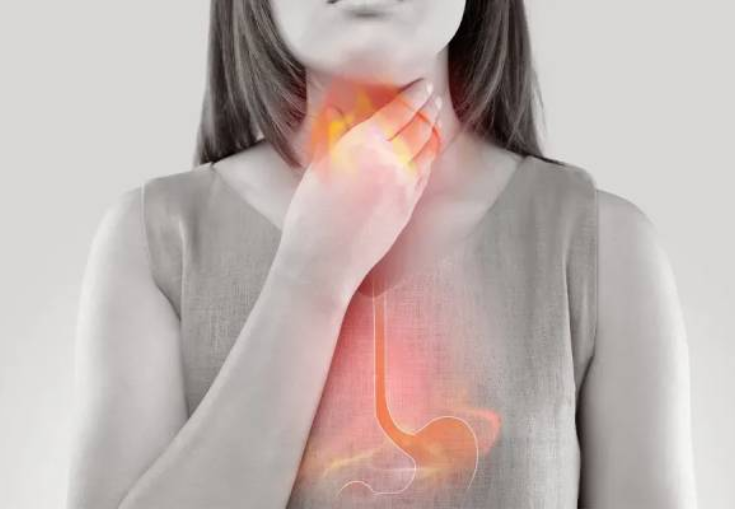
Achalasia cardia occurs when the lower esophageal sphincter (LES) fails to relax properly and the esophagus loses its coordinated muscle contractions. The result: food and liquids cannot move easily into the stomach, causing progressive difficulty swallowing (dysphagia), regurgitation, chest discomfort, and sometimes weight loss or respiratory problems from aspiration.
Who we help
We care for adults and adolescents experiencing:
Progressive difficulty swallowing solids and liquids
Regurgitation of undigested food or saliva
Chest pain or pressure that’s not cardiac in origin
Unexplained weight loss or recurrent respiratory infections
Trouble with pills or persistent heartburn despite treatment
If you have persistent swallowing problems, don’t ignore them — early evaluation preserves nutrition, reduces complications, and expands treatment choices.
Signs & symptoms (what to watch for)
Common symptoms include:
Gradual trouble swallowing (initially solids, later liquids too)
Regurgitation of undigested food, sometimes at night
Significant weight loss or reduced appetite
Heartburn-like pain or chest discomfort
Noisy breathing, chronic cough, or recurrent aspiration pneumonia in severe cases
Symptoms vary between patients. Some people adapt their eating habits and delay seeking help — please don’t wait. Simple tests can clarify the diagnosis.
How we diagnose achalasia
Dr. Surakshit T K follows a clear, stepwise diagnostic pathway that balances accuracy with patient comfort:
Clinical evaluation: Detailed history and physical exam to understand your symptoms, duration, and impact.
Upper GI endoscopy (esophagogastroduodenoscopy): To exclude other causes (strictures, tumors) and look for retained food.
Barium swallow (contrast X-ray): Visualizes esophageal shape, narrowing at the LES, and the classic “bird’s beak” appearance in achalasia.
High-resolution esophageal manometry (HRM): The gold standard. This painless test measures esophageal pressure and sphincter function to confirm achalasia and subtype it — essential for tailoring treatment.
Additional tests: Chest X-ray, CT scan, or pH monitoring if needed to rule out related issues.
We explain every test, what to expect, and how the results affect treatment choices.
Treatment options we offer
There’s no one-size-fits-all. Our team personalizes care based on symptoms, manometry subtype, age, comorbidities, and patient preference. Options include:
Pneumatic balloon dilation: A non-surgical outpatient procedure that stretches the LES. Effective for many patients and a good option when surgery isn’t desired.
Botulinum toxin (Botox) injection: Useful for patients who are poor surgical candidates or need short-term symptom relief. Injections reduce LES pressure temporarily.
Laparoscopic Heller myotomy (with partial fundoplication): A minimally invasive surgical cut of the LES muscle to relieve obstruction, often combined with an anti-reflux procedure to prevent postoperative reflux. Durable symptom control for many patients.
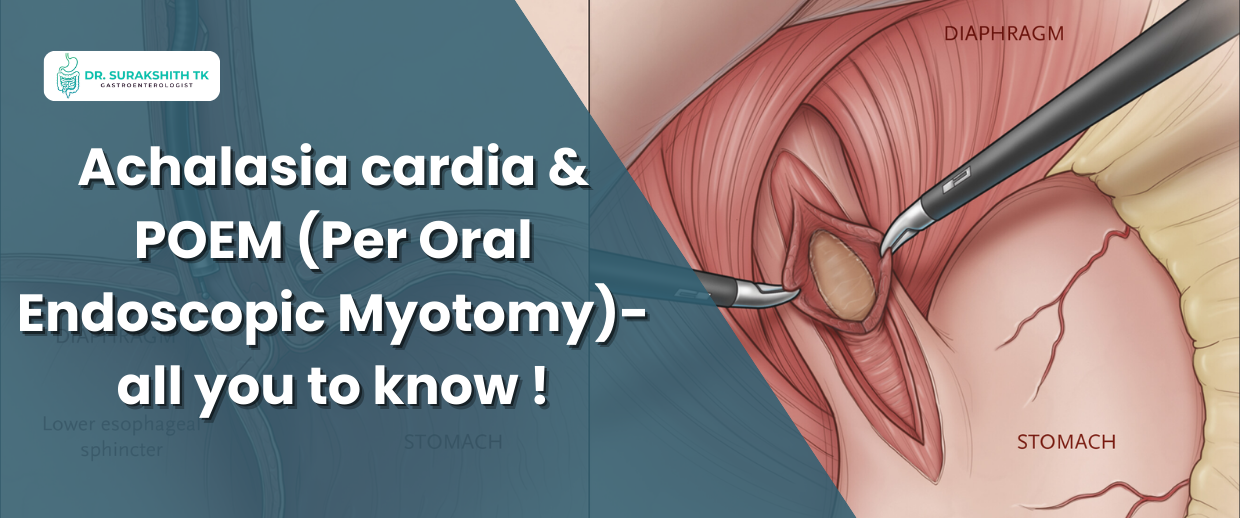
POEM (Peroral Endoscopic Myotomy): A cutting-edge, scar-less endoscopic procedure that achieves excellent symptom relief for most achalasia types. Performed by skilled endoscopists, POEM offers a shorter recovery and minimal external incisions.
Ongoing care and nutritional support: Diet modifications, swallowing therapy, and follow-up to ensure long-term success.
Dr. Surakshit T K discusses the pros and cons of each option, expected outcomes, and likely recovery pathways so you can make an informed decision.
Why choose Dr. Surakshit T K?
Patient-centered communication: You’ll get clear explanations, realistic expectations, and stepwise plans.
Modern techniques: We offer advanced, minimally invasive choices including laparoscopic myotomy and POEM where appropriate.
Multidisciplinary follow-up: Nutritionists, speech/swallow therapists, and respiratory support when needed—care that looks after the whole you.
Experience and safety: Procedures are performed with meticulous technique and strict perioperative care to minimize risk and speed recovery.
What to expect during treatment
Most diagnostic procedures are same-day or outpatient. For definitive treatments:
Balloon dilation is usually outpatient with brief observation.
Botox injections are quick and low-risk, with symptom improvement in days.
Laparoscopic myotomy and POEM require short hospital stays (often 1–3 days) and a progressive diet plan; most people resume regular activity within 1–2 weeks depending on the procedure and job demands.
We’ll provide a tailored recovery plan, pain management, and follow-up tests to confirm success.
Practical tips & patient support
Keep a symptom diary (what you eat, swallowing trouble, regurgitation) — it helps diagnosis and tracks improvement.
Small, frequent meals and softer food textures often ease symptoms while you arrange testing.
Stay hydrated and monitor weight; unexpected weight loss should be reported immediately.
We offer educational resources and support pathways for long-term follow-up.
Dr. Surakshith T K
Specialist Gastroenterologist and Hepatologist
Dr. Surakshith T K is a leading gastroenterologist and hepatologist with 13+ years of experience, specializing in advanced endoscopic procedures including POEM, ERCP, EUS, ESD/EMR, and bariatric endoscopy. He is known for expert care in GI, liver, pancreatic, and biliary disorders with a strong focus on early cancer detection.


 (2).png)