Think of endoscopy and colonoscopy as the GPS and toolkit for your digestive system: they let us see exactly what’s going on inside, take targeted action, and fix problems before they become emergencies. At the clinic of Dr. Surakshit T K, we deliver advanced diagnostic and therapeutic endoscopy with a focus on comfort, safety, and smart prevention — because early detection and minimally invasive treatment often mean better outcomes and faster recovery.
What are endoscopy and colonoscopy?
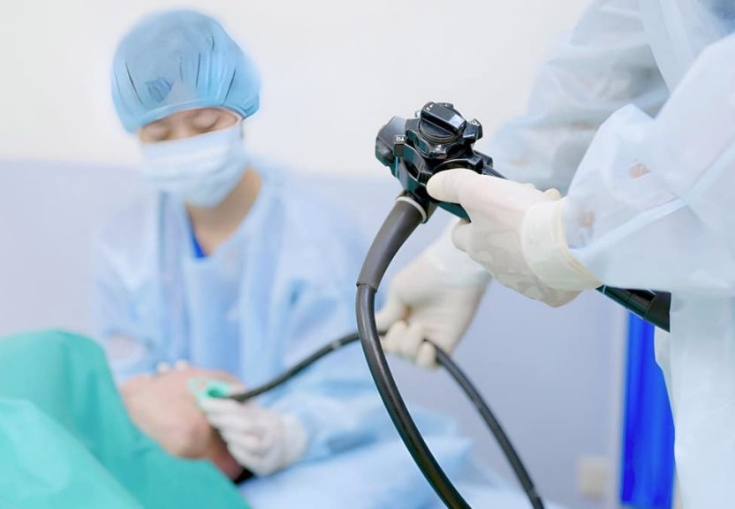
An upper GI endoscopy (esophagogastroduodenoscopy or EGD) uses a thin, flexible camera to examine the esophagus, stomach, and first part of the small intestine. A colonoscopy examines the entire colon and the end of the small intestine. Both procedures allow direct visualization, tissue sampling (biopsy), and therapeutic maneuvers — from removing polyps to controlling bleeding — all through small channels without external incisions.
Who benefits from these procedures?
We recommend consideration of endoscopy or colonoscopy for people with:
Persistent heartburn, difficulty swallowing, or unexplained upper abdominal pain
Recurrent nausea, vomiting, or gastrointestinal bleeding (dark stools or vomiting blood)
Unexplained iron-deficiency anemia or weight loss
A family history of colorectal cancer or personal history of polyps — screening and surveillance are lifesaving
Changes in bowel habits, persistent diarrhea, or unexplained constipation
Screening at average-risk starting age, and earlier if risk factors exist
More than “look and leave” — diagnosis plus treatment
These procedures are not just diagnostic tools — they’re therapeutic. During the same session we can:
Remove polyps (polypectomy) to prevent colorectal cancer
Perform endoscopic mucosal resection (EMR) or submucosal dissection (ESD) for larger early lesions
Control bleeding with clips, cautery, or injections
Dilate strictures that cause swallowing or bowel obstruction symptoms
Place stents or perform tissue ablation when needed
Use advanced imaging like narrow-band imaging (NBI) or chromoendoscopy to highlight subtle abnormalities
This “see-and-treat” approach reduces the need for multiple visits and speeds recovery.
What to expect — preparation, procedure, recovery
We keep the process clear, dignified, and as comfortable as possible.
Preparation:
For colonoscopy: bowel preparation instructions are individualized — generally a clear-liquid diet and a prescribed bowel prep the day before. Proper prep is essential for accurate results.
For upper endoscopy: short fasting period before the procedure.
We review medications (blood thinners, diabetic medicines) and medical history in advance and provide clear, friendly instructions.
During the procedure:
Procedures are performed under sedation — options range from conscious sedation to deeper sedation depending on medical needs and preference. An anaesthesia-trained professional is available when needed.
Most procedures take 15–45 minutes depending on interventions. You rest comfortably throughout — many patients remember little or nothing afterward.
Recovery:
You’ll recover in a monitored area until the sedation wears off. Someone should accompany you home.
Most people return to normal activities within 24 hours. We provide written aftercare instructions, an emergency contact, and a clear plan for follow-up.
Safety & quality — our promise
Endoscopy and colonoscopy are among the safest procedures in medicine when performed by experienced teams. At Dr. Surakshit T K’s clinic we ensure:
Rigorous infection-control and equipment sterilization protocols
Use of modern endoscopes and high-definition imaging to improve detection
Careful sedation practices with monitoring and resuscitation equipment on hand
Documentation of findings, photos for your records, and secure follow-up plans
We also discuss risks honestly — bleeding, perforation, and adverse reactions to sedation are uncommon but possible — and we explain how we prevent and manage them.
Innovations we offer
We bring modern technology and thoughtful technique to every case:
High-definition scopes with image-enhancement (NBI/chromoendoscopy) to detect flat or subtle lesions
EMR/ESD for minimally invasive removal of larger precancerous lesions in skilled hands
Capsule endoscopy when small-bowel visualization is needed (pill camera that’s swallowed)
Real-time video & patient education so you can see and understand your results
Fast-track biopsy processing and coordinated multidisciplinary care for rapid diagnosis and onward treatment if needed
A patient-first approach
Dr. Surakshit T K believes great care is equal parts technical skill and human connection. Expect:
Clear, jargon-free explanations and informed choice about sedation and treatment options
Time to discuss fears, past experiences, and recovery expectations
Nutrition and lifestyle advice to complement procedural care (bowel health, fiber, screening intervals)
Follow-up calls and easy access for questions after the procedure
Screening — prevention that matters
Colonoscopy screening detects and removes precancerous polyps before they become cancer. Screening saves lives. We work with patients to create personalized screening schedules based on age, family history, and individual risk factors — and we partner with primary care to make the process seamless.
Ready when you are
Whether you’re coming in for routine screening, investigating symptoms, or need a therapeutic endoscopic procedure, Dr. Surakshit T K and the team deliver precise, up-to-date care with an emphasis on comfort and outcomes.
Book a consultation today — get clarity, treatment, and a clear plan for digestive health. Because better answers start with better visibility.
Endoscopy & Colonoscopy — Precise Diagnostics, Gentle Care by Dr. Surakshit T K
Think of endoscopy and colonoscopy as the GPS and toolkit for your digestive system: they let us see exactly what’s going on inside, take targeted action, and fix problems before they become emergencies. At the clinic of Dr. Surakshit T K, we deliver advanced diagnostic and therapeutic endoscopy with a focus on comfort, safety, and smart prevention — because early detection and minimally invasive treatment often mean better outcomes and faster recovery.
What are endoscopy and colonoscopy?
An upper GI endoscopy (esophagogastroduodenoscopy or EGD) uses a thin, flexible camera to examine the esophagus, stomach, and first part of the small intestine. A colonoscopy examines the entire colon and the end of the small intestine. Both procedures allow direct visualization, tissue sampling (biopsy), and therapeutic maneuvers — from removing polyps to controlling bleeding — all through small channels without external incisions.
Who benefits from these procedures?
We recommend consideration of endoscopy or colonoscopy for people with:
Persistent heartburn, difficulty swallowing, or unexplained upper abdominal pain
Recurrent nausea, vomiting, or gastrointestinal bleeding (dark stools or vomiting blood)
Unexplained iron-deficiency anemia or weight loss
A family history of colorectal cancer or personal history of polyps — screening and surveillance are lifesaving
Changes in bowel habits, persistent diarrhea, or unexplained constipation
Screening at average-risk starting age, and earlier if risk factors exist
More than “look and leave” — diagnosis plus treatment
These procedures are not just diagnostic tools — they’re therapeutic. During the same session we can:
Remove polyps (polypectomy) to prevent colorectal cancer
Perform endoscopic mucosal resection (EMR) or submucosal dissection (ESD) for larger early lesions
Control bleeding with clips, cautery, or injections
Dilate strictures that cause swallowing or bowel obstruction symptoms
Place stents or perform tissue ablation when needed
Use advanced imaging like narrow-band imaging (NBI) or chromoendoscopy to highlight subtle abnormalities
This “see-and-treat” approach reduces the need for multiple visits and speeds recovery.
What to expect — preparation, procedure, recovery
We keep the process clear, dignified, and as comfortable as possible.
Preparation:
For colonoscopy: bowel preparation instructions are individualized — generally a clear-liquid diet and a prescribed bowel prep the day before. Proper prep is essential for accurate results.
For upper endoscopy: short fasting period before the procedure.
We review medications (blood thinners, diabetic medicines) and medical history in advance and provide clear, friendly instructions.
During the procedure:
Procedures are performed under sedation — options range from conscious sedation to deeper sedation depending on medical needs and preference. An anaesthesia-trained professional is available when needed.
Most procedures take 15–45 minutes depending on interventions. You rest comfortably throughout — many patients remember little or nothing afterward.
Recovery:
You’ll recover in a monitored area until the sedation wears off. Someone should accompany you home.
Most people return to normal activities within 24 hours. We provide written aftercare instructions, an emergency contact, and a clear plan for follow-up.
Safety & quality — our promise
Endoscopy and colonoscopy are among the safest procedures in medicine when performed by experienced teams. At Dr. Surakshit T K’s clinic we ensure:
Rigorous infection-control and equipment sterilization protocols
Use of modern endoscopes and high-definition imaging to improve detection
Careful sedation practices with monitoring and resuscitation equipment on hand
Documentation of findings, photos for your records, and secure follow-up plans
We also discuss risks honestly — bleeding, perforation, and adverse reactions to sedation are uncommon but possible — and we explain how we prevent and manage them.
Innovations we offer
We bring modern technology and thoughtful technique to every case:
High-definition scopes with image-enhancement (NBI/chromoendoscopy) to detect flat or subtle lesions
EMR/ESD for minimally invasive removal of larger precancerous lesions in skilled hands
Capsule endoscopy when small-bowel visualization is needed (pill camera that’s swallowed)
Real-time video & patient education so you can see and understand your results
Fast-track biopsy processing and coordinated multidisciplinary care for rapid diagnosis and onward treatment if needed
A patient-first approach
Dr. Surakshit T K believes great care is equal parts technical skill and human connection. Expect:
Clear, jargon-free explanations and informed choice about sedation and treatment options
Time to discuss fears, past experiences, and recovery expectations
Nutrition and lifestyle advice to complement procedural care (bowel health, fiber, screening intervals)
Follow-up calls and easy access for questions after the procedure
Screening — prevention that matters
Colonoscopy screening detects and removes precancerous polyps before they become cancer. Screening saves lives. We work with patients to create personalized screening schedules based on age, family history, and individual risk factors — and we partner with primary care to make the process seamless.
Ready when you are
Whether you’re coming in for routine screening, investigating symptoms, or need a therapeutic endoscopic procedure, Dr. Surakshit T K and the team deliver precise, up-to-date care with an emphasis on comfort and outcomes.
Book a consultation today — get clarity, treatment, and a clear plan for digestive health. Because better answers start with better visibility.
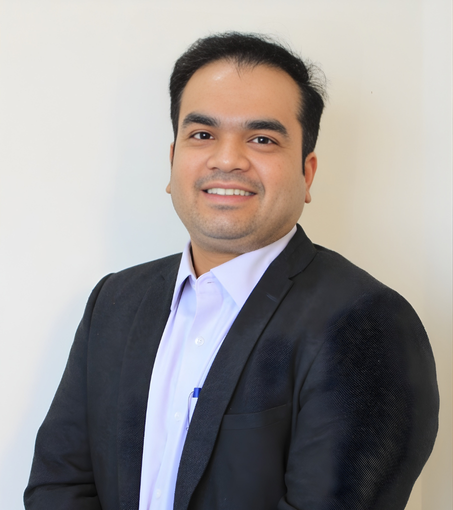
Dr. Surakshith T K
Specialist Gastroenterologist and Hepatologist
Dr. Surakshith T K is a leading gastroenterologist and hepatologist with 13+ years of experience, specializing in advanced endoscopic procedures including POEM, ERCP, EUS, ESD/EMR, and bariatric endoscopy. He is known for expert care in GI, liver, pancreatic, and biliary disorders with a strong focus on early cancer detection.


 (2).png)