Cancer of the digestive tract — from the esophagus and stomach to the liver, pancreas and colon — can develop quietly, often producing few symptoms until later stages. The best defense is a proactive, personalized screening strategy that finds problems early, when treatments are more effective and less invasive. At the clinic of Dr. Surakshit T K, our Digestive Cancer Screening service blends up-to-date medicine with practical patient-first design: clear risk assessment, comfortable testing pathways, and follow-up plans that fit your life.
Why screening matters
Detecting cancer or precancerous changes early changes everything. Many digestive cancers grow slowly and pass through identifiable precursor stages (for example, polyps in the colon or precancerous changes in the stomach). Screening can remove those precancerous lesions or detect cancers when curative treatment is still possible. For high-risk patients, regular surveillance reduces emergency presentations and improves long-term outcomes. Screening is prevention applied with precision.
Who should consider screening
Screening is not identical for every person. We tailor the plan based on personal and family history, medical conditions, lifestyle, and previous test results. Typical considerations include:
Age and general population screening timelines.
Family history of digestive cancers or hereditary cancer syndromes.
Personal history of conditions that increase risk (long-standing inflammatory bowel disease, chronic liver disease or cirrhosis, certain inherited disorders).
Lifestyle and occupational exposures that raise risk.
A brief, targeted consultation with Dr. Surakshit T K determines which screening tools are appropriate and how often they should be repeated.
The tests we use — simple, effective, tailored
We choose screening tools to balance accuracy, convenience, and your comfort. Common options include:
Noninvasive stool tests that you can do at home — good for routine population screening and repeated testing.
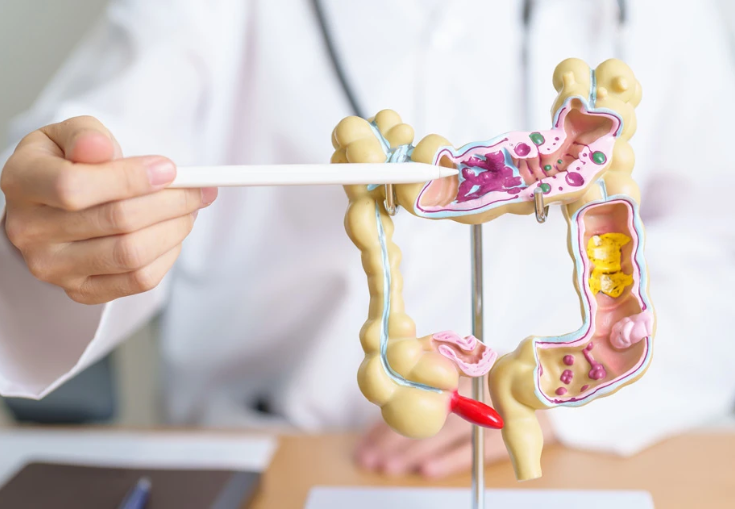
Colonoscopy — the definitive exam for the colon. It allows direct visualization, biopsy, and removal of polyps in the same session. For those with a personal or family history of polyps or colorectal cancer, colonoscopy is the cornerstone of surveillance.
Upper endoscopy — used for symptom-driven evaluation or targeted surveillance in individuals at higher risk for upper digestive tract cancers.
Ultrasound and blood-test surveillance for patients with cirrhosis or certain chronic liver conditions to check for early liver tumours.
Advanced imaging or endoscopic ultrasound for selected high-risk pancreatic or biliary surveillance when indicated.
Our aim is to use the least invasive effective test for your risk profile and to offer comfortable, dignified care throughout.
We design the screening journey to minimize stress and disruption:
Clear pre-test instructions and friendly staff who walk you through bowel preparation, fasting, or medication guidance so your procedure is accurate and safe.
Options for sedation and a calm, private recovery area after procedures. We respect dignity and privacy at every step.
A “see-and-treat” philosophy: if a precancerous lesion is found during a colonoscopy or endoscopy, we often remove or sample it at the same visit, reducing the need for repeat procedures.
Fast, clear follow-up: results explained in plain language, a written summary of findings, and a personalized surveillance schedule so you know when the next check should be.
Smarter prevention — beyond a single test
Screening is a tool, not an event. We combine testing with practical prevention strategies:
Personalized risk counseling and family history assessment so screening fits your long-term needs.
Lifestyle advice focused on modifiable risk factors — tobacco cessation, healthy weight, moderated alcohol intake, and diet strategies that support digestive health.
Eradication and treatment of treatable conditions that raise cancer risk (for example, targeted therapy for certain infections when appropriate).
Support systems that help you complete recommended screening: reminders, home-test kits when suitable, and streamlined scheduling.
How we handle abnormal results
If a screening test detects an abnormality, you will be guided through a clear, stepwise response:
Rapid explanation of findings and what they mean for you.
Timely scheduling of confirmatory tests or therapeutic procedures.
Multidisciplinary coordination — if further treatment is needed, we work with surgical, oncology, radiology, and pathology teams to create a personalized plan.
Emotional and practical support: we recognize that abnormal results are stressful, and we provide counseling, education, and logistics help throughout.
Why choose Dr. Surakshit T K
Patient-centered care that respects your values and preferences.
Personalized screening plans based on your risk, not a one-size-fits-all checklist.
Comfort-focused procedures and modern sedation options.
A coordinated approach that connects diagnosis, treatment, nutrition, and long-term surveillance.
Clear communication and reliable follow-up so you always know the next step.
Practical tips for patients
Keep an updated family health history — it helps tailor screening timing.
Don’t delay evaluation for persistent digestive symptoms — early testing is often simpler and more effective.
If offered a home stool test, complete it on schedule — participation saves lives.
Maintain a healthy weight, stay active, and avoid tobacco to reduce overall digestive cancer risk.
Digestive cancer screening is about more than a test: it’s an organized, ongoing partnership to protect your health and preserve your future. If you’re due for screening, have concerning symptoms, or want a personalized assessment of your cancer risk, schedule a consultation with Dr. Surakshit T K. Together we’ll build a clear, manageable plan so you can move forward with confidence and control over your digestive health.
Dr. Surakshith T K
Specialist Gastroenterologist and Hepatologist
Dr. Surakshith T K is a leading gastroenterologist and hepatologist with 13+ years of experience, specializing in advanced endoscopic procedures including POEM, ERCP, EUS, ESD/EMR, and bariatric endoscopy. He is known for expert care in GI, liver, pancreatic, and biliary disorders with a strong focus on early cancer detection.



 (2).png)