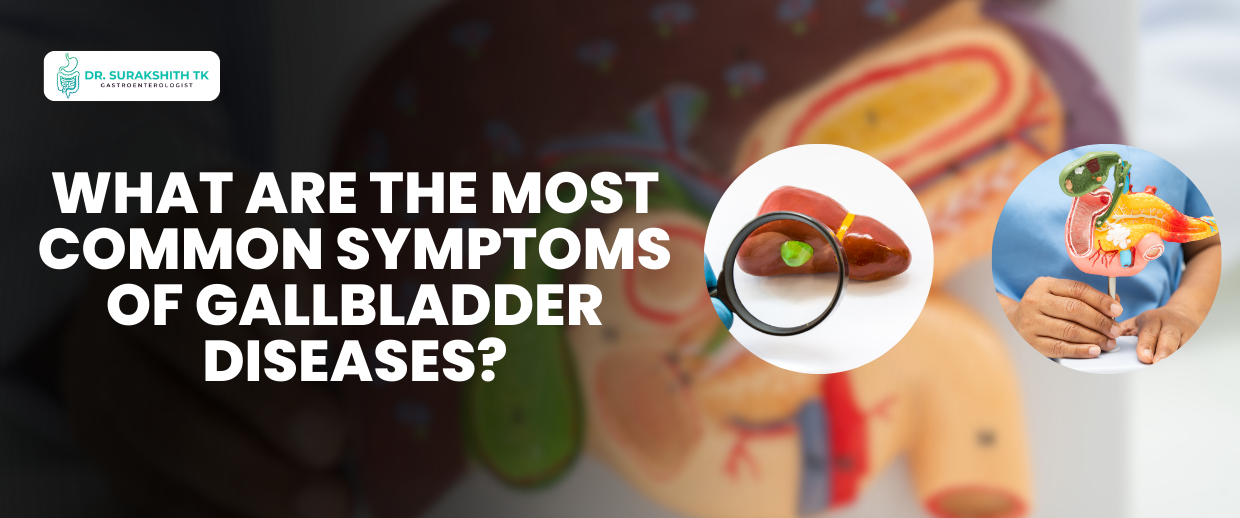
Your biliary system — the bile ducts, gallbladder, and the tiny channels that move bile to your intestine — quietly keeps digestion running and helps your liver process waste. When that flow is blocked, infected, or inflamed, symptoms can escalate quickly from discomfort to life-threatening illness. At the clinic of Dr. Surakshit T K, we treat the full spectrum of biliary disease with modern, minimally invasive techniques, clear communication, and a practical focus on recovery and long-term health.
What we treat
Our biliary service manages every common and complex condition affecting bile production and drainage, including:
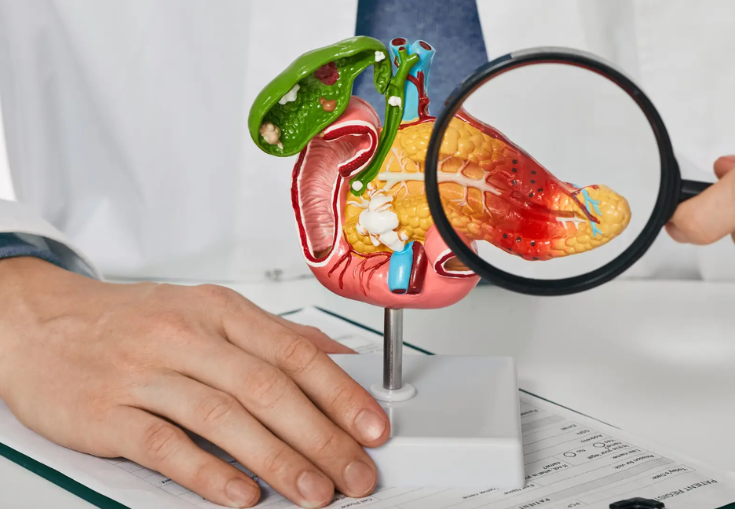
Gallstones (cholelithiasis) and gallbladder inflammation (cholecystitis)
Choledocholithiasis — stones in the common bile duct
Acute ascending cholangitis — infected bile ducts requiring urgent care
Biliary strictures — narrowing from inflammation, surgery, or injury
Primary sclerosing cholangitis (PSC) and other chronic biliary diseases
Bile duct tumors (cholangiocarcinoma) and complex hilar disease
Bile leaks after surgery or trauma
Postoperative or post-ERCP complications needing targeted management
Whether you’re dealing with recurrent biliary colic or a complex obstructive problem, the aim is the same: relieve obstruction, treat infection, preserve liver function, and restore quality of life.
Common symptoms — when to seek help
Biliary disease can present in many ways. Seek evaluation if you have:
Sudden, severe pain in the upper right abdomen or center of the upper belly, often radiating to the back or right shoulder
Fever, chills, or yellowing of the skin/eyes (jaundice) — signs that infection may be present
Persistent nausea, vomiting, clay-colored stools, or dark urine
Recurrent episodes of biliary-type pain after fatty meals
Unexplained weight loss, persistent fatigue, or clay-colored stools
Prompt assessment is important — some biliary conditions can worsen rapidly without treatment.
How we diagnose
Dr. Surakshit T K uses precise, minimally invasive tools to get fast answers while minimizing discomfort:
Detailed clinical evaluation and review of medical history
Blood tests to evaluate liver function, inflammation, and infection
Ultrasound as a first-line tool to detect stones, ductal dilation, and gallbladder inflammation
Cross-sectional imaging (CT/MRCP) when anatomy or complex disease needs clearer mapping
Endoscopic evaluation with ERCP (endoscopic retrograde cholangiopancreatography) or diagnostic cholangioscopy when direct visualization, sampling, or therapy is required
EUS (endoscopic ultrasound) for high-resolution imaging of ducts, stones, and nearby structures
Every test is chosen to answer a specific question and to guide treatment — we explain the purpose of each step in plain language.
Treatment options — precise, often minimally invasive
Treatment is tailored to the condition, clinical urgency, and your overall health. Common approaches include:
Laparoscopic cholecystectomy: The standard, minimally invasive removal of the gallbladder for symptomatic gallstones or recurrent cholecystitis. Recovery is usually rapid with small incisions and early return to activity.
ERCP with stone extraction and stenting: ERCP is both diagnostic and therapeutic — it allows safe removal of bile duct stones, placement of temporary stents to relieve obstruction, and control of bile leaks. For infected ducts, ERCP combined with antibiotics is lifesaving.
Percutaneous drainage or stenting: For patients who cannot undergo endoscopy or surgery immediately, interventional radiology can provide drainage of obstructed systems or collections.
Endoscopic cholangioscopy and lithotripsy: For large or difficult stones, direct visualization and targeted stone fragmentation allow clearance without open surgery.
Stricture management: Balloon dilation, serial stenting, or surgical reconstruction are used depending on the cause and anatomy.
Oncologic coordination: For suspected bile-duct cancers, we coordinate rapid staging and multidisciplinary planning with oncology and surgical teams for the best chance of cure when possible.
Supportive care: Antibiotics for cholangitis, pain control, nutritional support, and perioperative optimization to minimize complications.
We prioritize the least invasive effective approach and coordinate with interventional radiology and hepatobiliary surgery for complex cases.
Innovations & patient-friendly practices
We combine technology with compassion:
High-definition endoscopy and targeted cholangioscopy for better detection and less collateral damage
Minimally invasive surgical techniques for quicker recovery and smaller scars
Fast-track pathways so urgent cases receive immediate attention and elective cases have predictable scheduling
Clear pre- and post-procedure instructions, pain management plans, and easy access for questions after discharge
Recovery & follow-up
Most patients recover quickly after minimally invasive procedures — many return to normal activities within days to a few weeks. Follow-up focuses on:
Ensuring the bile ducts remain clear and drain freely
Monitoring liver function and infection resolution
Scheduling surveillance or stent exchanges if indicated
We provide a step-by-step recovery plan, dietary advice, and timely outpatient review so you never feel alone during recovery.
Why choose Dr. Surakshit T K?
Expertise in endoscopic and laparoscopic biliary care with a patient-first approach
Multidisciplinary coordination with radiology, surgery, and oncology when needed
Emphasis on minimally invasive solutions, rapid symptom relief, and quick recovery
Clear communication: realistic expectations, transparent risks, and tailored follow-up
Practical advice & when to act now
Don’t ignore severe upper abdominal pain or jaundice — urgent evaluation can be lifesaving.
If you’ve had previous biliary procedures, keep a record of stents or interventions to help future care.
Small lifestyle changes (healthy weight, balanced diet) can reduce gallstone risk over time.
Biliary problems can be sudden and scary, but with prompt, experienced care they are usually treatable — often without major surgery. If you’re experiencing biliary pain, jaundice, fever, or have been told you have gallstones or biliary dilation, schedule a consultation with Dr. Surakshit T K. Together we’ll make a clear plan to relieve symptoms, treat the cause, and get you back to comfortable, confident living.
Book an appointment today and let us restore the flow.
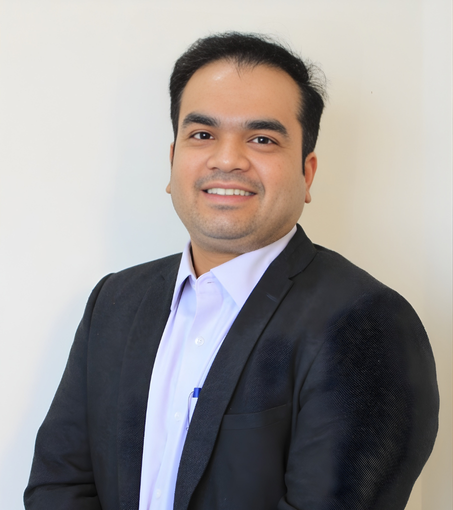
Dr. Surakshith T K
Specialist Gastroenterologist and Hepatologist
Dr. Surakshith T K is a leading gastroenterologist and hepatologist with 13+ years of experience, specializing in advanced endoscopic procedures including POEM, ERCP, EUS, ESD/EMR, and bariatric endoscopy. He is known for expert care in GI, liver, pancreatic, and biliary disorders with a strong focus on early cancer detection.


 (2).png)