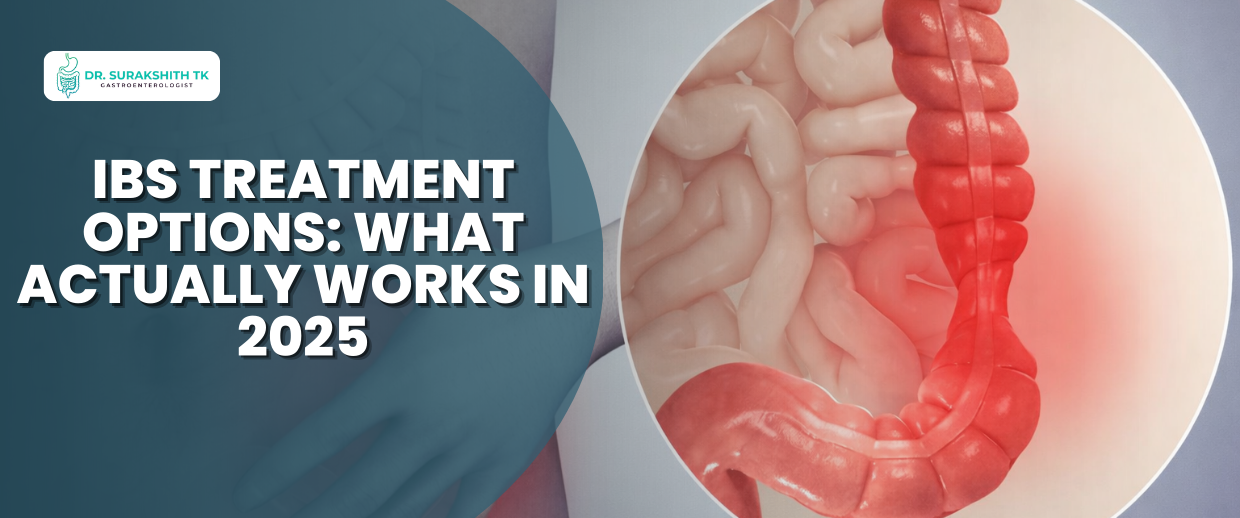
Discover proven IBS treatment options, including medications, diet changes, and natural remedies. Expert-backed guide to managing irritable bowel syndrome symptoms effectively with professional care.
By : Dr. Surakshith T K
IBS Treatment Options: What Actually Works in 2025
Introduction
Irritable Bowel Syndrome (IBS) affects millions of people worldwide, causing chronic discomfort that disrupts daily life. If you're struggling with persistent abdominal pain, bloating, and unpredictable bowel movements, you're not alone. The good news is that modern medicine offers numerous treatment approaches that can significantly improve your quality of life.
Understanding which options work best for your specific symptoms is the first step toward relief.
Understanding IBS and Its Impact
IBS is a functional gastrointestinal disorder characterized by recurring abdominal pain associated with changes in bowel habits. Unlike inflammatory bowel diseases, IBS doesn't cause visible damage to the digestive tract, but its symptoms can be just as debilitating. The condition manifests differently in each person, with some experiencing predominantly diarrhea (IBS-D), others constipation (IBS-C), and some alternating between both (IBS-M).
The exact cause of IBS remains unclear, but research points to several contributing factors, including gut-brain axis dysfunction, altered gut motility, visceral hypersensitivity, and changes in gut microbiota. This complexity means that effective treatment often requires a personalized, multi-faceted approach.
Medical Treatments That Deliver Results
Pharmaceutical interventions have advanced significantly in recent years. For IBS-D, medications like rifaximin, an antibiotic that targets gut bacteria, has shown promising results in clinical trials. Alosetron and eluxadoline are other FDA-approved options that slow intestinal contractions and reduce diarrhea frequency.
For IBS-C, lubiprostone and linaclotide work by increasing fluid secretion in the intestines, making stools easier to pass. Polyethylene glycol (PEG) remains a reliable over-the-counter option for constipation relief without causing dependency.
Antispasmodics like dicyclomine and hyoscyamine can reduce painful cramping by relaxing intestinal muscles. Low-dose tricyclic antidepressants have proven effective not just for pain management but also for modulating gut-brain communication, even in patients without depression.
Consulting with the Best Gastroenterologist in South Delhi or a qualified digestive health specialist in your area can help you navigate these medication options and find the right combination for your symptoms.
The Low FODMAP Diet Revolution
Perhaps the most significant breakthrough in IBS management has been the development of the Low FODMAP diet. FODMAP stands for Fermentable Oligosaccharides, Disaccharides, Monosaccharides, and Polyols—short-chain carbohydrates that are poorly absorbed in the small intestine.
Research shows that up to 75% of IBS patients experience symptom improvement when following a properly implemented Low FODMAP diet. The approach involves three phases: elimination of high-FODMAP foods for 4-6 weeks, systematic reintroduction to identify personal triggers, and personalization to create a sustainable long-term eating pattern.
High-FODMAP foods to initially avoid include wheat, onions, garlic, certain fruits like apples and pears, dairy products containing lactose, and artificial sweeteners. Safe alternatives include rice, quinoa, carrots, strawberries, lactose-free dairy, and maple syrup.
Working with a registered dietitian experienced in the Low FODMAP protocol ensures you maintain nutritional adequacy while identifying your specific triggers. Many patients find they can eventually reintroduce many foods in smaller quantities without triggering symptoms.
Probiotics and Gut Microbiome Support
The gut microbiome plays a crucial role in IBS, and probiotic supplementation has emerged as a valuable treatment tool. However, not all probiotics are created equal. Specific strains have demonstrated efficacy in clinical studies.
Bifidobacterium infantis 35624 has shown particular promise in reducing overall IBS symptoms. Multi-strain formulations containing Lactobacillus and Bifidobacterium species can help restore microbial balance and reduce bloating and gas production.
For optimal results, choose probiotic supplements with at least 10 billion CFUs (colony-forming units) and look for products that guarantee live cultures at the expiration date, not just at manufacture. Consistency matters—probiotics typically require 4-8 weeks of daily use before benefits become apparent.
Stress Management and Mind-Gut Connection
The gut-brain axis is a bidirectional communication system, meaning stress directly affects digestive function and vice versa. IBS symptoms often worsen during periods of emotional stress, making psychological interventions valuable treatment components.
Gut-directed hypnotherapy has demonstrated remarkable effectiveness in clinical trials, with many patients experiencing sustained symptom relief even years after treatment completion. Cognitive behavioral therapy (CBT) helps patients develop coping strategies and modify thought patterns that exacerbate symptoms.
Mindfulness meditation, deep breathing exercises, and progressive muscle relaxation can reduce stress-related symptom flares. Even 10-15 minutes of daily practice can make a measurable difference in symptom severity and frequency.
Regular physical activity also improves gut motility and reduces stress. Moderate exercise like brisk walking, swimming, or yoga for 30 minutes most days of the week can significantly improve IBS symptoms without triggering gastrointestinal distress.
When to Seek Specialist Care
While many IBS patients successfully manage symptoms through lifestyle modifications, certain situations warrant professional evaluation. If you experience severe or worsening symptoms, unintended weight loss, blood in stools, persistent vomiting, or symptoms that wake you from sleep, these could indicate more serious conditions requiring immediate attention.
Seeking care from the Best Gastroenterologist in South Delhi or a qualified specialist ensures accurate diagnosis and appropriate treatment. Gastroenterologists can perform necessary diagnostic tests to rule out inflammatory bowel disease, celiac disease, or other conditions that mimic IBS symptoms.
Specialists can also prescribe newer medications, provide guidance on evidence-based dietary approaches, and coordinate care with dietitians and mental health professionals for comprehensive management.
Creating Your Personalized Treatment Plan
Successful IBS management rarely involves a single intervention. Most patients achieve optimal results through a combination of approaches tailored to their specific symptom pattern, lifestyle, and preferences.
Start by keeping a detailed symptom diary for 2-4 weeks, tracking food intake, bowel movements, stress levels, and symptom severity. This information helps identify patterns and triggers that inform treatment decisions.
Begin with conservative measures like dietary modifications and stress management techniques. If symptoms persist after 4-6 weeks, consider adding medications or probiotics. Regular follow-up with healthcare providers allows for treatment adjustments based on your response.
Remember that IBS is a chronic condition requiring ongoing management rather than a quick fix. Patience and persistence in finding the right combination of treatments pays dividends in long-term symptom control and quality of life improvement.
The Path Forward
Living with IBS presents challenges, but 2025 offers more evidence-based treatment options than ever before. From targeted medications and dietary strategies to probiotics and mind-body interventions, effective relief is within reach.
Whether you're just beginning your IBS journey or seeking better control of persistent symptoms, consulting with the Best Gastroenterologist in South Delhi or qualified digestive health specialists in your area provides the expert guidance needed for optimal outcomes. With proper diagnosis, personalized treatment, and commitment to lifestyle modifications, most IBS patients can achieve significant symptom reduction and return to enjoying their daily activities without constant digestive concerns.
The key is taking that first step toward comprehensive care and remaining committed to finding the approach that works best for your unique situation.
Frequently Asked Questions
Q: Can IBS be cured permanently?
A: IBS is a chronic condition without a cure, but symptoms can be effectively managed through diet, medications, and lifestyle changes, allowing most people to live normally.
Q: How long does the Low FODMAP diet take to work?
A: Most people notice improvement within 2-4 weeks of strictly following the elimination phase, though the complete process takes 8-12 weeks including reintroduction.
Q: Are probiotics safe for long-term use?
A: Yes, probiotics are generally safe for extended use with minimal side effects. Choose quality products and consult your doctor about appropriate strains for IBS.
Q: Can stress alone cause IBS symptoms?
A: While stress doesn't cause IBS, it significantly worsens symptoms in most patients. Managing stress through relaxation techniques can reduce symptom frequency and severity.
Q: When should I see a gastroenterologist for IBS?
A: Consult a specialist if over-the-counter treatments fail after 4-6 weeks, if you have severe symptoms, blood in stools, or unexplained weight loss.
Dr. Surakshith T K
Specialist Gastroenterologist and Hepatologist
Dr. Surakshith T K is a leading gastroenterologist and hepatologist
with 12+ years of experience, specializing in advanced endoscopic procedures including
POEM, ERCP, EUS, ESD/EMR, and bariatric endoscopy. He is known for expert care in GI,
liver, pancreatic, and biliary disorders with a strong focus on early cancer detection.